Automobile Financing
Car Buying: Financing Background and Steps
by Amy Lillard
Getting the best auto loan means knowing what's involved, and being prepared.
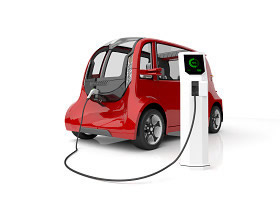
There are several key components of an auto loan. The money you contribute upfront is the down payment, and usually varies from 10 to 20 percent of the purchase price. The time the loan will span is called the term, and a typical term is up to 5 years. The bank or other lending institution charges you interest over the life of the loan that must be paid back on top of the principal, or actual loan amount.
With new or used car loans, you have complete ownership of the vehicle. You can modify or sell at your discretion, but you are also responsible for all maintenance. How much maintenance is covered by a warranty is something you should carefully examine before purchasing.
New and Used Auto Loan Rates
Choose Your State Below
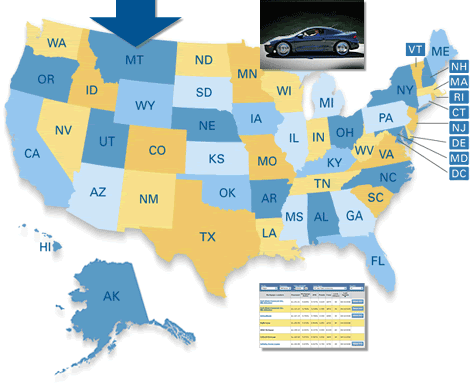
Start by selecting your state
Preparation
The most important thing you can do in preparation for obtaining a car loan is checking your credit history. With free services like Experian and TransUnion, you can obtain your credit score, which will be used extensively by dealers and lenders to determine which loans you can qualify for:
• If your credit score is above 680, you are a "prime borrower." You are likely to be approved for any loan, particularly low APR (interest rate) loans
• If your credit score is below 680, you are "sub prime." You'll probably qualify for a loan, but you will most likely incur a higher interest rate.
• If your credit score is below 550, you are unlikely to qualify for a normal auto loan. You can look into options for low credit score loans.
Another key preparation before buying a car and obtaining financing is research. Research cars and their pricing at sites like Cars.com, InvoiceDealers, CarsDirect, Edmunds and Autoweb. These sites can often provide the complete details on car styles and handling, car pricing, dealer cost, and more. Use your findings as a basis for all dealings with salespeople.
Online Pricing
With the advent of online lending, borrowers have options like never before. To ensure the most fair and comprehensive loan for your situation, consider online loans at sites like CapitalOne AutoFinance or HSBC AutoFinance.
According to the Consumer Federation of America, car buyers are often overcharged by 3% on their loans at the dealership, which can add $1000 to the life of their loan. Online lenders usually beat any deals the dealership can offer, and may not require application fees or down payments. With loans online, you may find some powerful benefits:
• Lower rates
• No app fees for New Car Loans and Used Car Loans
• APR is locked for 60 days
• Less frustration and potential loss of money
• Quick response - quoted loan approvals are usually within an hour during business hours. In addition, your check can arrive via FedEx the next day.
• No new car finance hidden fees, points or prepayment penalties
Even if you opt to go with financing at the dealership, you have a powerful bargaining tool when you get quotes from online lenders. With an online offer you have a standard for dealers to beat: compare to dealer auto financing and see which is most appropriate for you.
Additional Considerations
Don't limit your shopping for financing to just the purchase price. Look for extended warranty prices online at sites like WarrantyDirect to compare with the dealer's warranty prices.
Finally, if you put down less than 20% on your new car loan, you should consider Gap Coverage. If you owe $20,000 on your car, but it is only worth $16,000, you are at a disadvantage. A total accident or a stolen car will result in an insurance payoff, but only for what the car is worth: $16,000. You'll need to come up with $4000 to pay off the lender, as well as any deductibles charged by your insurance company. Gap coverage protects against this, and is available for far less than dealers offer at sites like GapInsuranceQuotes.com.
For more information on car financing, check out the sites referenced in this article:
• Credit Scores: www.experian.com and www.transunion.com
• Car Research: www.cars.com, www.invoicedealers.com, www.carsdirect.com, www.edmunds.com, www.autoweb.com
• Online Car Financing: www.capitaloneautofinance.com, www.hsbcusa-autoloans.com
• Extended Warranties: www.warrantydirect.com
• Gap Insurance: www.gapinsurancequotes.com
 A frequent contributor to ERATE® since 2006, Amy Lillard is a freelance writer specializing in turning complex information into useful tips and tricks for readers. For questions or topic suggestions, contact Amy at [email protected].
Other related articles:
Making a Vehicle Purchase? Enjoy These Helpful Tips
Automotive Loans: Trading in a Car
Automotive Loans: What Laws Protect Car Buyers?
Automotive Loans: Trade In or Sell a Car?
Automotive Loans: Is Zero Percent Financing Really Possible?
Automotive Loans: Determining a Down Payment
Automotive Loans: The Truth About "Add-Ons"
Automotive Loans: Top 5 Mistakes When Buying a Car
Automotive Loans: Shopping Online
Automotive Loans: Dealer Incentives to Buy
Automotive Loans: Car Buying Incentives
Automotive Loans: Should You Buy New or Used?
Automotive Loans: What to Know About Interest Rates
Automotive Loans: Negotiating a Loan with a Dealer
Automotive Loans: How Much Car Can You Afford?
Automotive Loans: Understanding Typical Loan Language
Automotive Loans: Types of Financing
Automotive Loans: Buying Vs Leasing
Automotive Loans: Applying for a Car Loan
Buying a Car: Standard and Extended Warranties
Car Buying: Financing Background and Steps
Leasing a Car: Two Types of Leases - Closed & Open
Buying a Used Car: Two Options
Buying a Car: 5 Steps to Find the Perfect Deal
Automobile Buying/Financing

5 Steps to Find the Perfect Car
Auto loan defaults to rise 7 percent in 2010
Auto Show Season Tips for Buyers
When is the Best Time to Buy a New Car?
Making a Vehicle Purchase? Enjoy These Helpful Tips
Chances are, your next car will be used. Drive a hard bargain
What your car is really saying
2012 President's Day auto sales among best ever
Special Report: Hitting the Brakes on Auto Dealer Loans
Auto Insurance
Buying Ins - Shopping for Insurance
Best Car Insurance Plan for You
Auto Dealerships