Mortgage Info for borrowers with bad credit
Bad Credit Mortgages
Foreclosure: Process and Types
by Amy Lillard
As the subprime market folds inward, and the housing market looks grim, foreclosure becomes the big buzzword.
When borrowers are unable to make payments on their mortgage, the foreclosure process begins. But how does it work? What's the process, and what kinds of foreclosure exist?
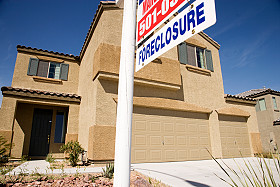
Foreclosure Explained
Simply put, foreclosure is the legal means by which a lender can repossess a home. If borrowers do not comply with the mortgage agreement by missing payments, the foreclosure process can begin.
It is a process, not a simple signature and eviction. It is a lengthy process, one that varies from state to state due to different laws. Additionally, foreclosure can be stalled or prevented with the increasing availability of personal loans and other options, so it can be a process with stops and starts.
Foreclosure begins when the borrower defaults on mortgage payments. The lender then files a public default notice, often called a “notice of default.” At this point, borrowers can reassert their rights to the property by paying off their debt. Many options exist to allow borrowers to do this, discussed in another article in this series.
If the borrower pays off the default amount during a grace period determined by state law (known as “pre-foreclosure”), foreclosure has ended and the borrower has averted home eviction and sale. If the default is not paid off, foreclosure continues.
Types of Foreclosure
Depending on the state, foreclosure will follow a different schedule, and will be classified under different types.
One common type of foreclosure is the “deed in lieu of foreclosure” arrangement. Often called “strict foreclosure,” the bank claims the title and possession of the property back to satisfy the debt.
The other most common type is the proceeding known simply as “foreclosure” or “judicial foreclosure.” Here the property is exposed to auction by a county or court official. The winning bidder receives a deed to the property. Banks and other lenders usually bid on the property in the amount of the owed debt, and if no other buyers step forth they will receive the title to the property.
Other states employ yet another type of foreclosure, called “non-judicial” or “statutory” foreclosure. In this case, when a borrower fails to make payments, the lender may be issued a notice of default and intent to sell. If the borrower does not solve the default with payments or other means, the property will be sold at public auction. Many real estate investors snap up additional properties at these type of auctions.
Refinance at Today's Low Rates!Learn more about foreclosure problem, straw buyers, ways to avoid foreclosure, invest in foreclosed properties, and more in our continuing series.
Fannie Mae & Jumbo Mortgage Rates
Just One Click! = Current Rate Chart
Start by selecting your state
- Foreclosure - Explained and Types
- Foreclosure - Avoid Losing your Home
- Foreclosure - Investment Opportunity?
- Foreclosure Problem - Homeowners Underwater
- Straw Buyers Aggravates Foreclosure Problem
- Relief for Distressed Homeowners
- Foreclosures Hit Record Highs
- Foreclosure Rate Continues to Climb
- Foreclosed Homes Selling at Fire Sale Prices
- FDIC Floats New Foreclosure Prevention Plan
- Alt-A Mortgages Reset, Start Second Wave of Mortgage Fallout
- Foreclosures Rise, Congressman Calls for Moratorium
- Foreclosure Prevention Plan Expands
- Sales Up, But Foreclosures Hit Record Highs
- Foreclosures Rise, along with Borrowers Helped by Refinance Program
- Foreclosures Set Nine Month Record
- The FHA on a Reckless Path of Another Taxpayer Bailout
- Foreclosure Lifeline Thrown as TARP is Extended
- Foreclosures in 2010 Could Get Interesting
- Feds subpoena FHA lenders with high foreclosure rates
- Foreclosure myths debunked
- Foreclosures more cheaper than ever, but inventories falling
- Alabama launches federal foreclosure assistance program
- FHA 'Short Refi' under attack
- Foreclosure assistance comes to California
- Treasury official backs foreclosure program
- Colorado contributes to foreclosure assistance
- Mortgage lenders ordered to pay back homeowners for questionable foreclosures
- Underwater homeowners taking on more water
- Are fewer foreclosure numbers due to book cooking?
- More banks spanked for foreclosure failures