Automobile Financing
Buying a Car: 5 Steps to Find the Perfect Vehicle
by Amy Lillard
Before you sign on the dotted line, before you negotiate, before you even set foot at a dealership, prepare yourself for buying or leasing a new car with some careful thought and planning.
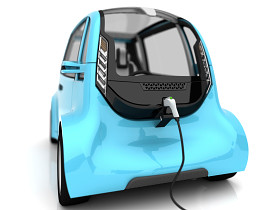
Step by step, we take a look in this article at the pre-purchase process.
What do you need?
Think practically about what you need in a car. What will you use it for? How many people will need to fit? How much do you plan on driving daily, weekly, and yearly?
Other questions:
• Do you want a manual or automatic transmission?
• Do you really need four-wheel drive? Or all-wheel drive?
• What safety features do you want?
• Do you require a lot of cargo-carrying capacity?
• Will you be doing any towing?
• Will the car easily fit in your garage or parking area?
New and Used Auto Loan Rates
Choose Your State Below
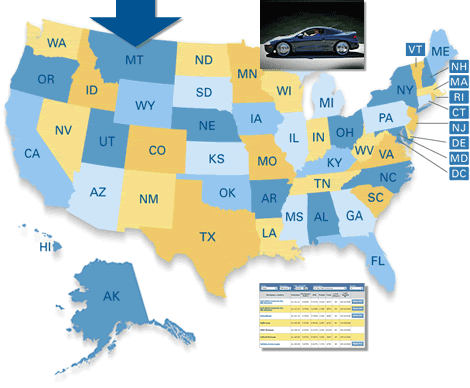
Start by selecting your state
What can you afford?
Take a close look at what you can conceivably afford for monthly payments, and a down payment. A rule of thumb is your total monthly car payments — whether you own one car or more than one — shouldn't exceed 20 percent of your monthly take-home pay.
Online financial calculators can help you estimate what your monthly payment will be based on purchase price, down payment, interest rate and length of loan. Stick to these numbers during the entire research and buying process, and you'll be happier with your purchase.
Lease or Buy?
Planning on keeping your car for a long time, or driving more than 15,000 miles per year? Buying may be more appropriate option for you. On the other hand, if you drive less and want lower initial and monthly payments, leasing may offer you a flexible alternative.
For a complete look at advantages and drawbacks of buying and leasing, visit our article on Buying vs. Leasing: A Comparison
What should you Research?
Have a specific car in mind? Use online engines, such as autotrader.com or autobytel.com, to learn about this car in its entirety. Find out about driving and safety features, mileage, and costs. Read reviews of the cars by drivers and dealers. This preliminary research can help you determine if your desired car meets your needs, and your budget. Don't forget to take a look at cars within the same class. At many sites you can compare cars side by side to give you a more complete picture.
Have no idea what car will be best? Use the same online engines to seek out cars based on your needs, such as features and costs.
Once you've determined some cars that work best for you, keep putting the power of the web to work. Find local car dealerships that offer your car, and compare prices between dealers.
What about Test Drives?
Now that you've done your research, call up the appropriate dealerships and set up an appointment for a test drive. This accomplishes two things – it sets up your first encounter with the actual car, and it allows you to test out the dealer.
During the test drive, experience as much as you can of your normal driving conditions. Drive in stop-and-go traffic, on the highways, and in mountains if applicable. Check for blind spots, turning ability, parking, interior controls, and trunk space. Get as acclimated to the car as possible, and envision owning it for several years.
Your test drive should one of several that you've planned in one day. Driving several cars in a short amount of time allows you to make a good comparison, and moving from dealership to dealership allows you to effectively audition your potential dealer. You're looking for a responsive, understanding dealer that answers your questions with patience and doesn't automatically go for the hard sell.
What Next?
You've narrowed your choice to one desirable, affordable car with a dealer you can respect. Time to negotiate financing and sign for your car.
Read more about this process in our next article, “Steps to the Final Deal.”
Learn more about other problems and opportunities presented with automobile purchasing and financing with our continuing series, including steps to leasing new cars, buying used cars, financing options, types of loans and leases, and more.
 A frequent contributor to ERATE® since 2006, Amy Lillard is a freelance writer specializing in turning complex information into useful tips and tricks for readers. For questions or topic suggestions, contact Amy at [email protected].
Other related articles:
Automotive Loans: Top 5 Mistakes When Buying a Car
Auto loan defaults to rise 7 percent in 2010
Automotive Loans: Trading in a Car
Automotive Loans: What Laws Protect Car Buyers?
Automotive Loans: Trade In or Sell a Car?
Automotive Loans: Is Zero Percent Financing Really Possible?
Automotive Loans: Determining a Down Payment
Automotive Loans: The Truth About "Add-Ons"
Automotive Loans: Top 5 Mistakes When Buying a Car
Automotive Loans: Shopping Online
Automotive Loans: Dealer Incentives to Buy
Automotive Loans: Car Buying Incentives
Automotive Loans: Should You Buy New or Used?
Automotive Loans: What to Know About Interest Rates
Automotive Loans: Negotiating a Loan with a Dealer
Automotive Loans: How Much Car Can You Afford?
Automotive Loans: Understanding Typical Loan Language
Automotive Loans: Types of Financing
Automotive Loans: Buying Vs Leasing
Automotive Loans: Applying for a Car Loan
Buying a Car: Standard and Extended Warranties
Car Buying: Financing Background and Steps
Leasing a Car: Two Types of Leases - Closed & Open
Buying a Used Car: Two Options
Buying a Car: 5 Steps to Find the Perfect Deal
Automobile Buying/Financing

5 Steps to Find the Perfect Car
Auto loan defaults to rise 7 percent in 2010
Auto Show Season Tips for Buyers
When is the Best Time to Buy a New Car?
Making a Vehicle Purchase? Enjoy These Helpful Tips
Chances are, your next car will be used. Drive a hard bargain
What your car is really saying
2012 President's Day auto sales among best ever
Special Report: Hitting the Brakes on Auto Dealer Loans
Auto Insurance
Buying Ins - Shopping for Insurance
Best Car Insurance Plan for You
Auto Dealerships